
Community
Philadelphia girl missing since Oct. 26 found dead in trunk of vehicle in New Jersey, 1 in custody: Sources
By Marcus Chen
Advertisement · Why this ad?
Marcus manages the day-to-day editorial workflow across all brands, coordinating coverage assignments and ensuring editorial standards are met. He previously served as city editor at the Pioneer Press and holds a degree in Political Science from Carleton College.
More from Marcus →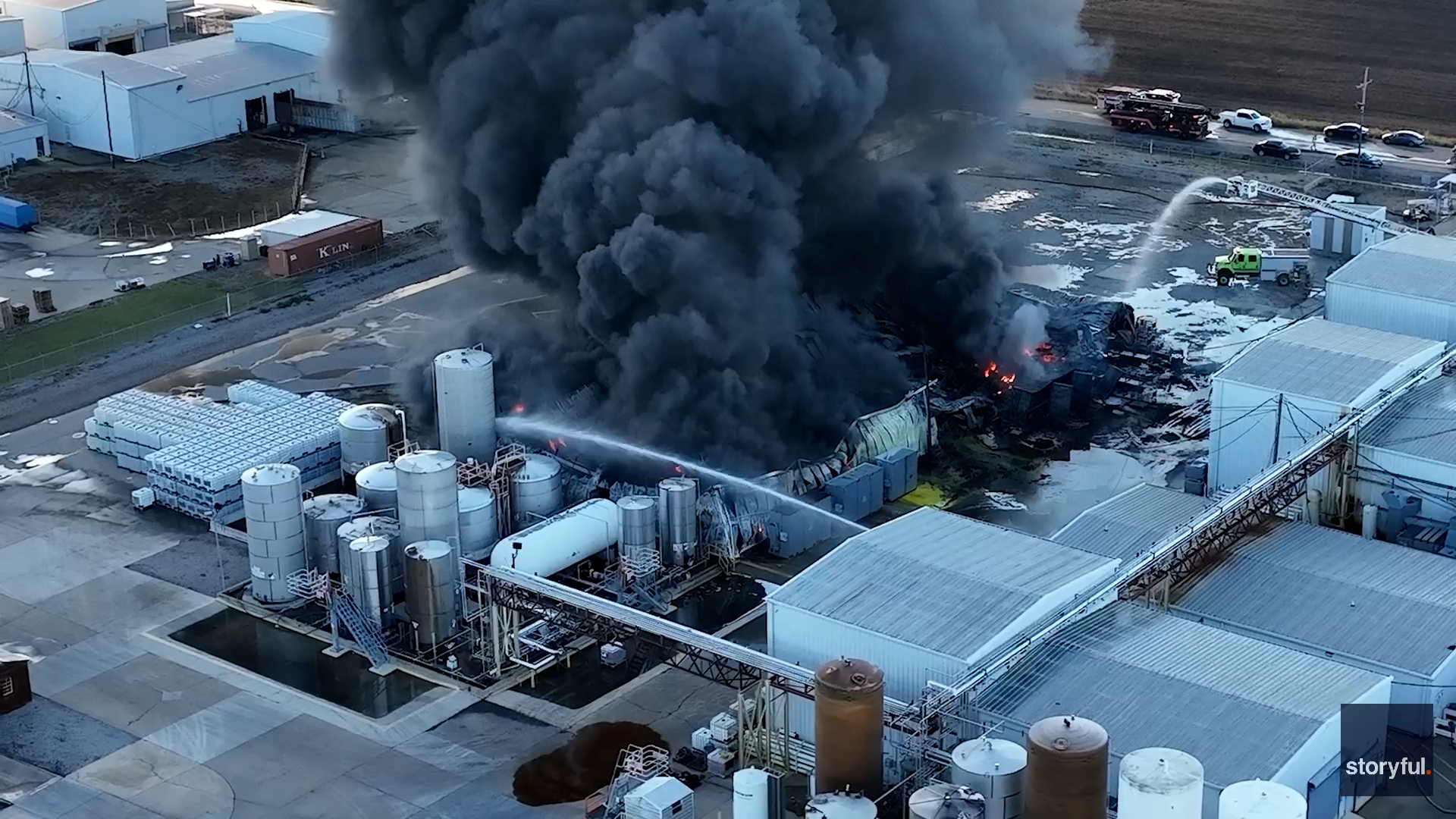
In the quiet town of Greenville, Mississippi, residents awoke Wednesday to a terrifying sight: a towering plume of black smoke rising from a chemical plant, signaling a dangerous explosion that could have threatened lives and livelihoods. The blast at Loveland Products, a key player in fertilizer and crop protection, sent shockwaves through a community already familiar with the risks of chemical manufacturing. Thankfully, no injuries were reported, but the incident underscores the fragile balance between industry and safety in America's heartland.
At approximately 7 a.m. CST, emergency responders arrived at the Loveland Products plant after reports of a loud explosion. The cause appears linked to a fire involving a herbicide chemical, according to preliminary statements from plant management. The explosion ignited a fire that produced a massive black smoke plume visible for miles, prompting immediate concern about air quality and community safety. The plant, which has operated in Greenville for decades, supplies vital agricultural chemicals to farmers across Mississippi and neighboring states, making it a cornerstone of the local economy.
City officials swiftly issued a shelter-in-place order, urging residents on Greenville’s eastern edge to stay indoors and keep windows closed. This precaution lasted several hours, as environmental officials assessed the hazardous smoke and potential health effects. By midday, firefighters had contained the blaze, and the shelter order was lifted, allowing residents to return to normal routines. The incident has reignited conversations about industrial safety standards, especially in rural areas where economic dependence on such facilities can sometimes overshadow safety concerns.
Greenville, with a population of about 26,000, is situated roughly 120 miles northwest of Jackson, Mississippi’s capital. It sits in the heart of the Mississippi Delta, a region renowned for its rich soil, vibrant cultural history, and vital agricultural economy. The Delta is often called the “breadbasket of the South,” with crops like cotton, soybeans, and rice forming the backbone of local livelihoods. Chemical plants like Loveland Products are integral to this agricultural success, providing essential inputs for crop yields.
However, this reliance on chemical manufacturing also comes with risks. Incidents like Wednesday’s explosion highlight the ongoing tension between economic development and environmental safety. Greenville’s community has, over the years, experienced various environmental challenges, from flooding to industrial accidents, which have shaped local attitudes towards industry regulation and emergency preparedness. Local leaders, including Mayor John Smith and County Emergency Management Director Sara Moreland Hester, have long emphasized the importance of balancing economic growth with safety measures.
Hester, a lifelong resident and a firefighter with decades of experience, noted, “Our community depends on these industries, but safety has to come first. We’re grateful no one was hurt, but we know incidents like this can happen, and we need to be prepared.” Her words resonate with many residents who have witnessed the region’s industrial evolution firsthand. The community’s resilience is rooted in these shared experiences and a collective commitment to safeguarding their homes and environment.
Residents expressed a mixture of relief and concern following the incident. “It’s scary to see that much black smoke in the sky,” said Mary Johnson, a Greenville native who has lived in the area for over 50 years. “We’re thankful no one was hurt, but it makes you wonder about the safety of these plants and what could happen if something worse occurred.” Many community members are calling for increased transparency from plant operators and stricter safety regulations, especially after several past incidents at similar facilities in the region.
Local churches, schools, and community organizations quickly mobilized to provide information and support. The Greenville School District issued a statement reassuring parents that schools would operate normally but remain vigilant. Churches held prayer services, emphasizing unity and resilience amid uncertainty. Community leaders are urging residents to stay informed through official channels and to participate in upcoming town hall meetings addressing industrial safety.
The Mississippi Department of Environmental Quality (MDEQ) responded swiftly, deploying an air-monitoring team to evaluate the potential impact of the smoke on local air quality. While initial reports indicate no immediate health threats, officials remain cautious, emphasizing the importance of continued monitoring. This incident has revived longstanding concerns about chemical exposure, especially among vulnerable populations such as children, the elderly, and those with pre-existing health conditions.
Environmental advocates and local health officials are particularly attentive to the potential long-term effects of chemical releases. The Delta region’s waterways and farmland are vital to the community’s economy and health, making any contamination a serious concern. Past incidents, like the 2014 chemical spill in nearby Clarksdale, have heightened awareness about the importance of rigorous safety standards and environmental oversight. Many residents worry that such incidents could become more frequent without stricter regulations and enforcement.
Community organizations, including the Delta Environmental Coalition, are calling for greater transparency from the plant operators and more robust emergency protocols. They argue that local communities should have a stronger voice in safety planning and environmental monitoring, especially since many residents live in close proximity to these industrial sites.
Looking ahead, officials plan to conduct a comprehensive investigation into the cause of the explosion. Nutrien, Loveland’s parent company, has pledged full cooperation. The company, headquartered in Loveland, Colorado, produces fertilizer, plant nutrition, and crop protection products for farmers across North America. While the company has a longstanding presence in Greenville, this incident has prompted calls for increased safety audits and community engagement.
The Mississippi Department of Environmental Quality’s (MDEQ) air quality assessment is ongoing, with results expected in the coming days. These findings will be critical in determining whether any long-term health advisories or environmental remediation efforts are necessary. The agency has also announced plans to review existing safety standards at chemical plants across the state, aiming to prevent future incidents.
Local authorities are reviewing emergency response protocols, with an emphasis on faster response times and clearer communication channels. Greenville’s city officials are considering establishing a dedicated community safety task force, which would include residents, industry representatives, and environmental experts, to improve preparedness and transparency.
Community leaders are emphasizing the importance of rebuilding trust and ensuring that residents feel protected. Town hall meetings are scheduled to discuss safety measures, answer questions, and gather public input. The incident has also sparked discussions about diversifying Greenville’s economy to reduce dependence on chemical industries, thereby enhancing community resilience.
The incident has served as a stark reminder of the risks inherent in chemical manufacturing, especially in rural and semi-rural communities. As Greenville moves forward, it will need to balance economic vitality with environmental sustainability and public health. Local organizations are advocating for increased investment in emergency preparedness, environmental monitoring, and community education programs.
Moreover, the incident has galvanized efforts to improve industrial safety standards nationwide. State and federal agencies are being urged to revisit regulations governing chemical plants, with particular attention to small and medium-sized facilities that may lack the resources for rigorous safety measures. Community advocates believe that transparency and accountability are essential to prevent future tragedies.
For residents, the incident underscores the importance of community solidarity and vigilance. As Greenville continues to rebuild and recover, its strength lies in its shared values—hard work, faith, and a collective commitment to safety and environmental stewardship. The town’s response to this crisis will likely shape its future policies and community resilience for years to come.
Ultimately, Greenville’s experience underscores the need for vigilance and accountability in managing chemical industries close to home. As the community looks forward, it’s clear that safety, transparency, and unity will be essential to weather future storms—both literal and figurative.By Marcus Chen
By Marcus Chen

By Marcus Chen
By Katherine Langford