
Community
Carprice Williams, foster mom charged in death of 10-year-old Malayshia Allford in Philadelphia, Pennsylvania, previously faced child abuse allegations: attorney
By Katherine Langford
Advertisement · Why this ad?
Marcus manages the day-to-day editorial workflow across all brands, coordinating coverage assignments and ensuring editorial standards are met. He previously served as city editor at the Pioneer Press and holds a degree in Political Science from Carleton College.
More from Marcus →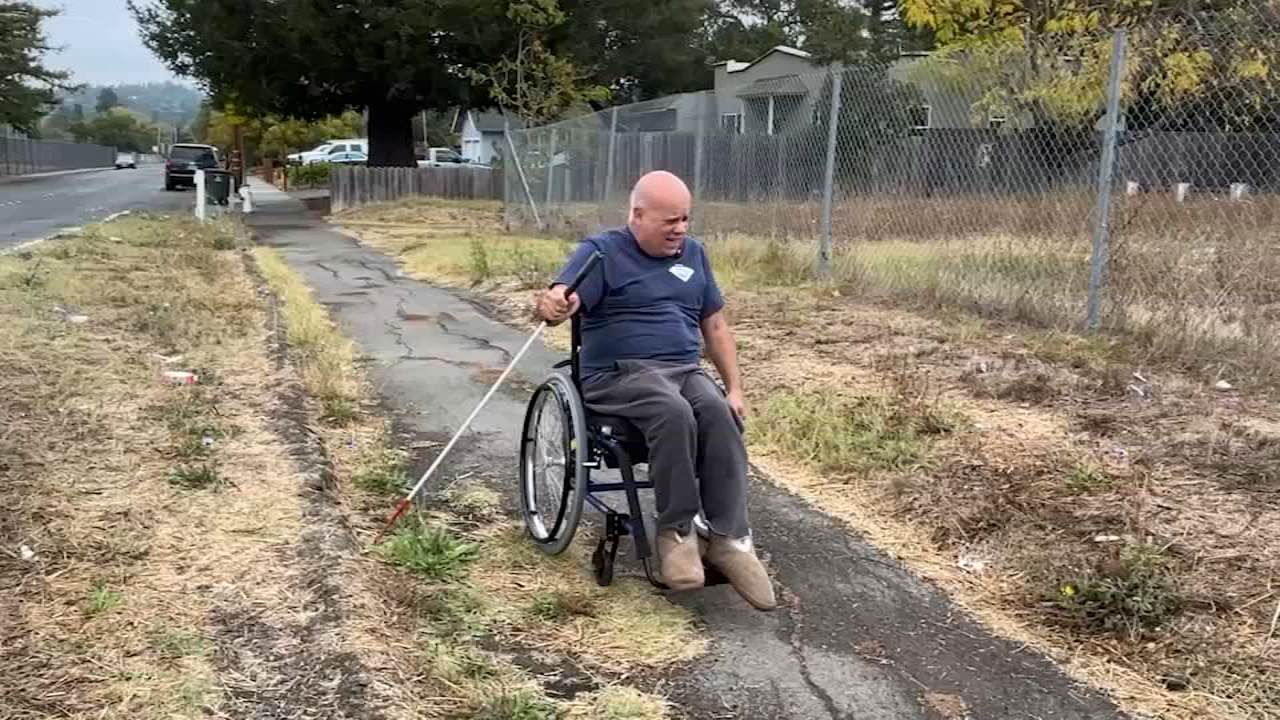
For Ken Rossi, a Santa Rosa resident who is both blind and paralyzed, a simple wheelchair represents far more than mobility—it’s a lifeline to independence. When his 14-year-old wheelchair began to fall apart last spring, threatening his ability to navigate the streets he’s painstakingly made accessible, Rossi found himself virtually stranded for months, caught in a bureaucratic maze of insurance approvals. His story, unfortunately, isn’t unique, highlighting a systemic problem affecting individuals with disabilities across the nation.
Rossi, who gradually lost his eyesight and ability to walk due to a mysterious illness and a subsequent car accident two decades ago, relies on a cane and his wheelchair to maintain his connection to the world. He’s become an advocate for accessibility, working with city officials to improve Santa Rosa’s streets for people with disabilities. He even channels his memories of light and movement into striking oil pastel artworks, though he can no longer see them. “I wish I knew what they look like,” Rossi said, referencing a piece he believes depicts Stonehenge. “Someone said I drew Stonehenge. Do you see it there?” But the breakdown of his wheelchair abruptly curtailed his activities, leaving him confined to his home.
The process of obtaining a replacement wheelchair proved to be a frustrating ordeal. Rossi ordered a new chair from National Seating and Mobility last May, initiating a request to Medicare requiring documentation to prove the chair’s medical necessity. The company’s website notes that obtaining a wheelchair can take up to six months due to these insurance requirements, and online forums are filled with similar stories of lengthy delays. Rossi repeatedly contacted the company, sending emails and leaving messages, but received little response. “I kept calling and leaving messages,” he recalled. “And then eventually I had my sister go out to the local branch and it was open. There was nobody in there.”
Rossi’s plight drew the attention of 7 On Your Side, a consumer mediation service from ABC 7 Bay Area. Following the news station’s inquiry, National Seating and Mobility not only delivered a new wheelchair but also repaired Rossi’s existing chair. “National Seating and Mobility does make every attempt to keep our clients updated throughout a repair or new equipment process,” the company stated, attributing delays to insurance requirements. “I’m so thankful to 7 On Your Side,” Rossi exclaimed. “I feel great. I could get out. It's very liberating. Like being freed from prison almost.” The company declined to provide specifics about Rossi's case due to medical privacy laws.
This situation underscores a broader issue affecting individuals with disabilities: the often-arduous and unpredictable process of obtaining essential medical equipment. Medicare’s requirements for demonstrating medical necessity, while intended to prevent fraud, can create significant barriers for those who genuinely need assistance. The lengthy processing times and lack of clear communication from suppliers contribute to the frustration and hardship experienced by patients and their families. While National Seating and Mobility acknowledged the challenges, their response highlights the complex interplay between medical needs, insurance regulations, and bureaucratic procedures.
“It’s not good for mental health for me, it's depressing, you know, when I can't get out,” Rossi shared, reflecting on the emotional toll of his confinement. His experience serves as a poignant reminder of the importance of community support and advocacy for individuals with disabilities. The ability to maintain independence and engage in daily activities is crucial for mental and emotional well-being, and delays in accessing essential equipment can have a profound impact on quality of life. The story also emphasizes the value of accessible transportation options, something Rossi has actively championed in Santa Rosa.
The 7 On Your Side consumer hotline, a free mediation service for residents of the San Francisco Bay Area, plays a vital role in assisting individuals facing similar consumer-related issues. While they cannot handle family law, criminal matters, or medical issues directly, their intervention can often facilitate communication and resolution between consumers and businesses. Residents seeking assistance with consumer concerns are encouraged to review the hotline's FAQ here.
Marcus’s Take
Ken Rossi’s story isn't just about a wheelchair; it's a window into the vulnerabilities faced by those who rely on essential medical equipment. The fact that a man working so hard to contribute to his community—advocating for accessibility and creating art—was essentially imprisoned in his own home due to bureaucratic delays is deeply troubling. It speaks to a system that, while perhaps well-intentioned, often fails to prioritize the needs of the most vulnerable among us. The importance of strong families and supportive communities is starkly evident here; Rossi’s sister’s intervention, and ultimately the involvement of 7 On Your Side, highlights the power of human connection in overcoming systemic obstacles. We must ask ourselves: how many other individuals are facing similar struggles, silently enduring hardship while navigating a labyrinth of paperwork and red tape? It's a call to action for policymakers, healthcare providers, and community members alike to advocate for streamlined processes, greater transparency, and a renewed commitment to ensuring that everyone has access to the resources they need to live a life of dignity and purpose. The long-term societal costs of neglecting these needs—the lost productivity, the diminished quality of life, the erosion of hope—are far greater than the cost of reforming these systems.
What's Next
National Seating and Mobility has pledged to review its procedures to improve communication and expedite the wheelchair approval process. While this is a positive step, the underlying issue of Medicare’s stringent requirements remains. Advocacy groups for people with disabilities are urging policymakers to re-evaluate these regulations and explore alternative solutions that prioritize patient needs. Residents interested in supporting accessibility initiatives in Santa Rosa can contact the city’s Disability Services department Santa Rosa Disability Services. Furthermore, individuals experiencing similar difficulties with medical equipment approvals are encouraged to contact consumer protection agencies or seek assistance from organizations like the Center for Medicare & Medicaid Services here. The hope is that Rossi’s experience will spur broader reform and prevent others from enduring a similar ordeal.
The incident also underscores the importance of proactive planning and maintaining open communication with medical equipment suppliers. Individuals anticipating the need for replacement equipment should initiate the process well in advance to allow ample time for approvals and delivery. Regularly checking in with suppliers and advocating for timely updates can help mitigate potential delays. The story serves as a reminder that navigating healthcare systems can be complex, and persistence and advocacy are often necessary to ensure access to essential services.
Beyond the immediate resolution of Rossi’s situation, the incident highlights the need for greater accountability within the medical equipment industry. Transparency regarding processing times and potential delays is crucial for managing patient expectations and fostering trust. Suppliers should be incentivized to prioritize the needs of vulnerable patients and provide timely updates throughout the approval process. The long-term goal is to create a system that is both efficient and compassionate, ensuring that individuals with disabilities receive the support they need to live full and independent lives.
The incident also serves as a reminder of the importance of community involvement and the power of local media in holding institutions accountable. 7 On Your Side’s intervention played a pivotal role in resolving Rossi’s situation, demonstrating the value of consumer advocacy and investigative journalism. Residents are encouraged to remain vigilant and report instances of bureaucratic obstacles or unfair treatment to consumer protection agencies and local media outlets.
Ultimately, Ken Rossi's experience serves as a powerful testament to the resilience of the human spirit and the importance of advocating for a more just and equitable society. While his wheelchair has been restored, the larger issue of access to essential medical equipment remains a challenge that requires ongoing attention and reform. The American dream of opportunity and independence should be accessible to all, regardless of disability or circumstance.
Resources
By Katherine Langford
By Marcus Chen

By Katherine Langford

By Katherine Langford